

An agricultural client with a dairy farm already had a battery and solar setup installed and up and running on their premises. The owner approached us, uncertain that they were getting the maximum possible return from their system.
In this article, we share how we improved battery savings by 41% in the first 70 days.
From fixed scheduling to live optimisation
Energy Manager went live at the farm on 16 December 2025.
Before then, the client paid significant DUoS charges, with an extra 10p per kWh during the evening peak. On winter evenings, they paid a further 18p per kWh in capacity market obligation charges
The client's battery was managed by the inverter's inbuilt logic, prioritising self-consumption of on-site PV with some additional manual scheduling rules. This control strategy could not always guarantee that the battery would be charged going into the evening peak. It forecast demand and PV generation, but could not respond and re-plan when conditions went off track.
Energy Manager, GridVolt's control system software, makes decisions based on these five constantly-updated data points:
- Load and PV forecasting. Energy Manager predicts site load and solar output for the next 48 hours. The forecast updates 96 times a day to reflect weather data and the site's usage patterns.
- Tariff-aware planning. The optimiser plans against the customer's real tariff, including DUoS bands, time-of-use periods and the SEG export rate.
- 24-hour cost planning. With the latest forecast in hand, Energy Manager plans the cheapest way to run the battery for the next 24 hours.
15-minute replan. Real life rarely matches the forecast. As load, solar and weather shift, the plan rebuilds every 15 minutes.
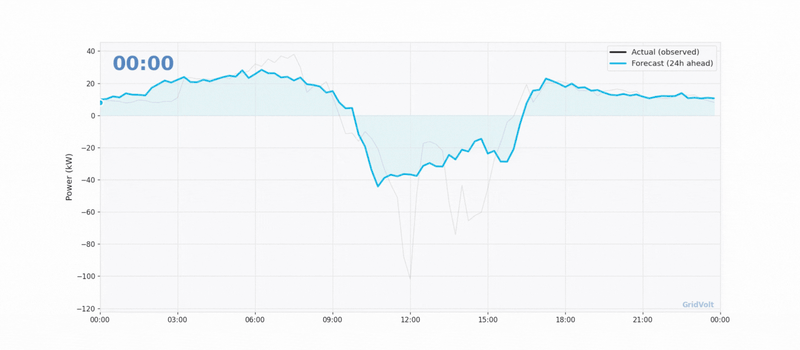
The result is a battery that responds to what the farm is actually doing. Every choice gets priced against the farm's real tariff. The hardware does not change. The control layer above it does.
41% more savings in the first 70 days
In its first 70 days on Energy Manager, the battery saved 41% more than before. These additional savings consisted mainly of avoided DUoS and capacity market obligation charges.
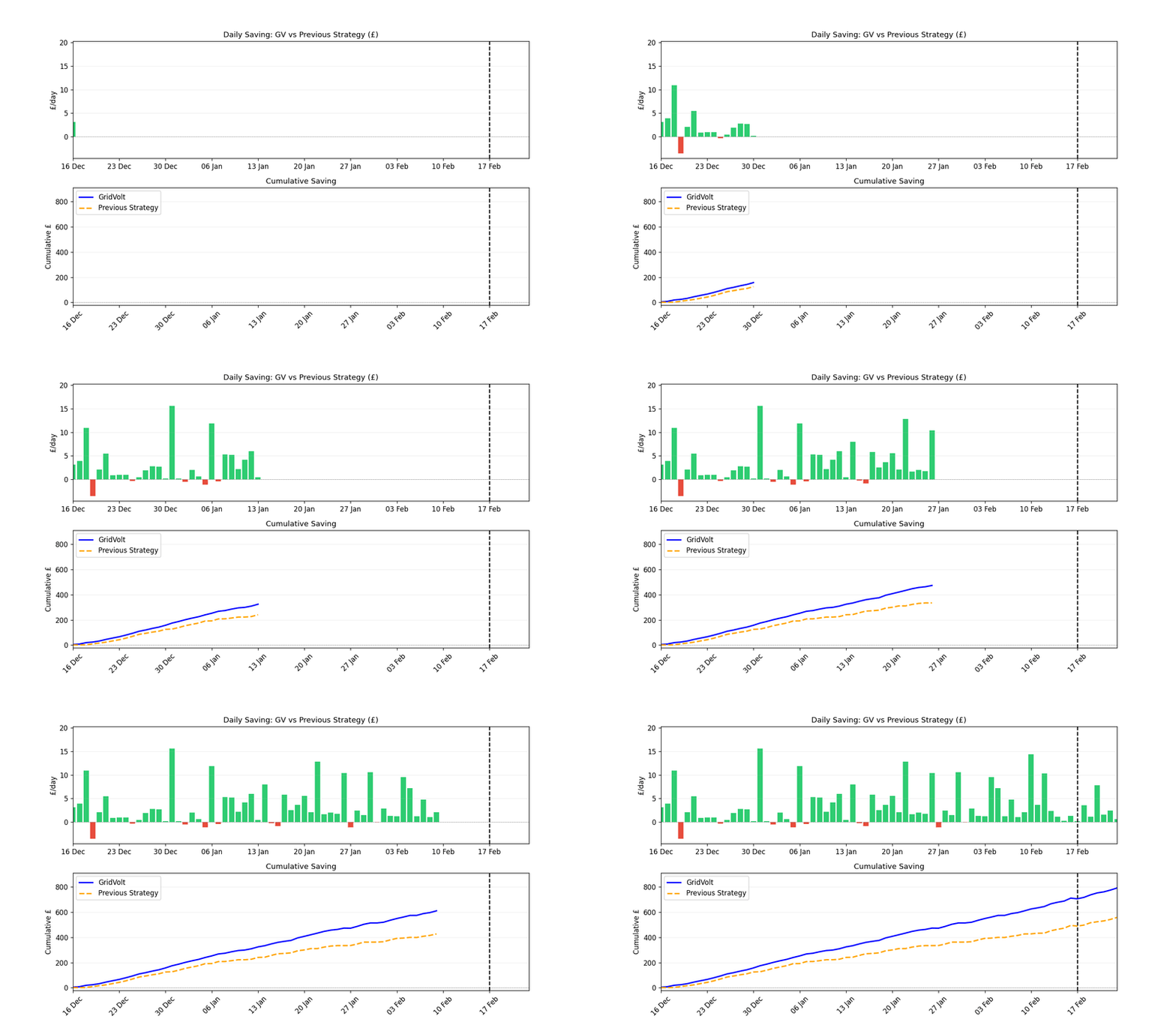
The chart above shows the gap widening across the 70 days. The data covers three calendar months, so that rules out a one-day fluke or an unusual short trading window affecting the result disproportionately..
Energy Manager achieved savings 41% greater on our client’s existing infrastructure thanks to:
- Better weather forecasting
- Better planning around the tariff
- Better timing on the battery's charge and discharge
This is just one result and the savings you achieve on your site may be lower or higher. However, the result itself shows how making smarter use of your assets can reduce energy spend.
Delivering a greater return on your energy investments
Let us model projected further savings from your site, using your own data, tariff and battery specs.
Click here to contact us to tell us about your site and we'll show you what's possible.